Advanced Pathways to Research Program (A-PReP)
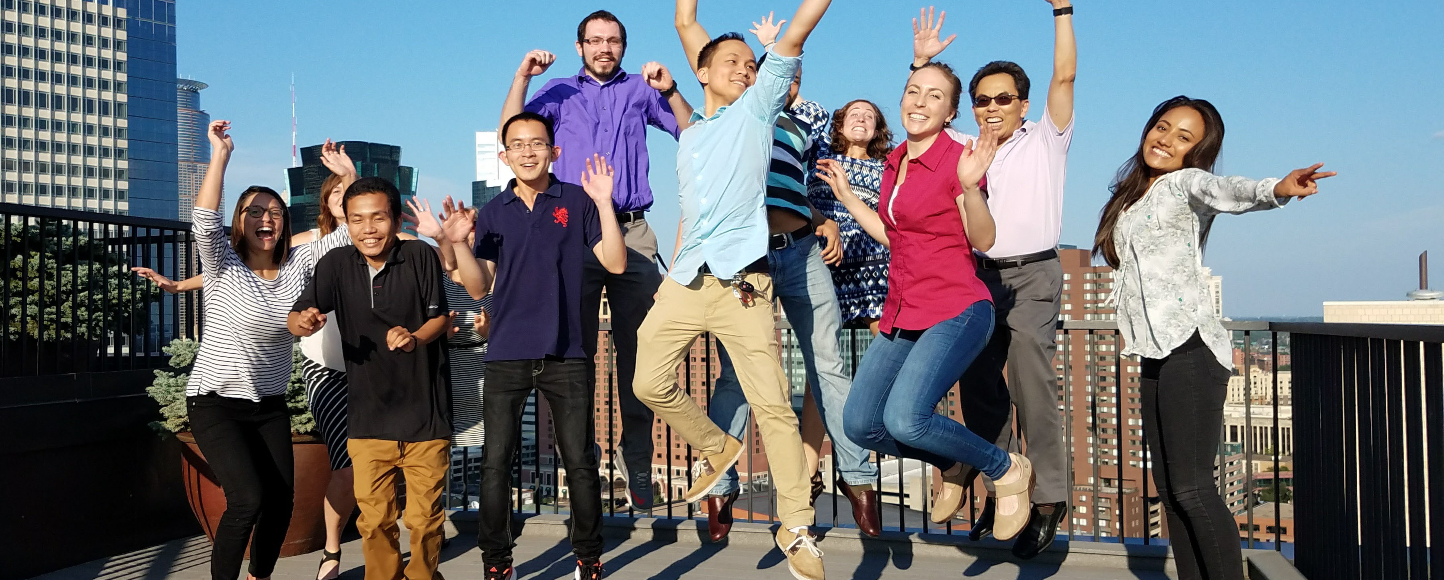
The Advanced Pathways to Research Program is a competitive and prestigious research training program for doctoral-level professional health sciences students and early-PhD students interested in clinical and translational research.
Since 2012 A-PReP has given health science students an opportunity to take their research career to the next level. In addition to a mentored research experience, A-PReP students attend weekly seminars providing a grounding in translational research networking and presentation skills with some of the top researchers at the University. Students build camaraderie and learn from other students in the program while gaining valuable research and career development skills.
Program Overview
- Program Details
- Program Expectations
- Application Process
- Application Components
- Eligibility
- Selection Process
- Application Timeline
Program Details
- 12 week, full-time paid internship ($600/wk).
- Program Timeline: 1st week of June – the 3rd week of August.
- Gain knowledge, skills, and experience in translational science through a mentored research project. With input and oversight by the faculty mentor, scholars will work on a project related to the mentor’s ongoing translational research program.
- Thought provoking weekly career development seminars.
- Topic examples: The Translational Science Spectrum, Developing a Translational Mindset, Scientific Presentation and Poster Design, Strategic Networking for Scientists, Research Ethics, Community Based Participatory Research, Imposter Syndrome, Near Peer and Research Career Panels, Mentoring Relationships.*
- Near peer mentoring.
- Cohort of mixed disciplines and educational levels (undergraduate and early doctoral students).
- Network and cohort building activities including a campus scavenger hunt, mentor-mentee social, ice cream social, mid-program lunch, alumni & career panels, and CTSI wide science symposium.*
- Final poster presentation at the CTSI Translational Science Symposium and Poster Session in September, representing CTSI scholars from across the University’s health science schools and departments.
- Opportunities to win travel funds to participate in national and international conferences are awarded on a competitive basis at the symposium.
*Programming and activities may be adjusted depending on availability and program needs and resources.
Program Expectations
Applicants accepted into the program must agree to the following:
- Commit to full-time (40 hours/week), on-site research training for 12 weeks during the summer. Medical students are permitted to start the program after their classes end at the end of June.
- Scholars from other UMN campuses or rural MN may attend seminars virtually if accepted, but must attend the orientation, final program seminar, poster session and mentor/mentee social events in person (dates for these will be finalized in the spring).
- Must not concurrently take classes, participate in other research teams or programs, prepare for or complete preliminary exams, hold concurrent RA or TA positions, or perform ongoing didactic or clinical training responsibilities that might interfere with program requirements, without prior approval from program leadership.
- Attend and fully engage in weekly career development seminars and program activities, support the learning of their fellow cohort members, and complete all required assignments.
- Prepare a final research poster to present findings and translational components at the CTSI Translational Science Symposium and Poster Session in September.
*List is not exhaustive and may change. Expectations will be detailed in the confirmation of acceptance letter.
Application Process
Applications will typically open the first week of December prior to the program year. During this time a link will be available under “Apply” in the maroon box below this section. This link will take you to the official Request For Applications (RFA) website, which will include detailed instructions and guidelines for completing and submitting an application for A-PReP.
Application Components
- Online application form for
- Applicant contact and demographic information
- Application document upload
- Personal Essay
- Curriculum Vitae
- All transcripts from undergraduate school and current program (unofficial copies acceptable)
- Two letters of recommendation
- Letter of support from proposed mentor
- Mentor’s current NIH biosketch
- Mentor training experience form (provided on RFA website during application window)
- Mentor-Mentee Compact (provided on RFA website during application window)
Eligibility
Applicants
- Applicants must be UMN doctoral-level professional health sciences students (DDS, DNP, DVM, MD, PharmD, OTD, JD etc.) or early-PhD students from any UMN campus that have not yet completed their preliminary exams. Successful applicants are not permitted to complete their exams while participating in the program.
- Strong interest in but limited experience with clinical and translational science research. This program is intended as an introduction to clinical and translational science. Eligibility is limited to those with limited past experience in this field.*
*Questions regarding level of research experience eligibility should be sent to [email protected] with a resume/CV attached prior to submitting an application.
Mentors
- Must be UMN or CTSI Hub partner affiliated faculty.
- Commitment to plan for an original research project and to provide dedicated mentorship to the scholar for the entire length of the summer program.
- Commitment to participate in PReP and CTSI-Ed program activities.
- Stable, active, and externally funded CTS research program with annual research support from one or more national peer-reviewed sources.
- Sufficient funds (mentor or department) to ensure that Scholar has the necessary research support.
- Clinical or translational research publication record.
- Some experience with mentoring and willingness to complete mentor training and deepen mentor skills.
- History of working successfully in multidisciplinary research teams.
Selection Process
Completed applications are vetted through a robust review process. Each application is reviewed and scored by one CTSI affiliated faculty member (prior mentors and/or faculty scholars) and one of the program directors. Program leaders and staff then meet to discuss and select the top 12-15 candidates to invite for interviews. Interviews are conducted with at least one program director, one experienced CTSI faculty mentor, and the Senior Program Associate. Program leaders and staff meet again to discuss and make final selection decisions.
Successful applications should show:
- Strong interest in but limited experience with human health, clinical and/or translational research and a desire for an academic career.
- Firm commitment to fully participate in the entirety of the program.
- Evidence of personal competencies integral for success in the program such as: dedication/commitment, maturity, critical thinking, accountability, evidence of teamwork/collaborative spirit, and growth mindset.
- Strong letters of recommendation describing the applicant’s experience, skills and potential to benefit from and contribute to the A-PReP program.
- Record of academic achievement demonstrating the applicant is in good academic standing specifically in courses related to the health sciences and/or translational research.
- A detailed research plan that exemplifies goal setting that is feasible for a 12 week program and shows strong support from the mentor.
- A well-developed Mentor-Mentee Compact that clearly states the goals and expectations of both mentor and mentee and shows a strong alignment between the two.
Application Timeline*
- Early December: Applications open
- Early January: Virtual Application Info Session
- Early February: Applications due
- Early March: Successful Applicants Selected for Interviews
- Late March: Final Award Notifications
- April: Applicants matched with their mentors
- May: Onboarding
- 1st week of June: Program begins
*Timeline is subject to change.


Frequently Asked Questions
How many applications does A-PReP receive and how many students are accepted?
A-PReP receives ~30-40 applications and accepts about 7 students per summer.
Does the A-PReP program cover costs for housing and meals?
No, at this time the A-PReP program does not cover costs for housing and meals and only provides a weekly $600 stipend.
Do I have to have done research previously to be considered for acceptance to the A-PReP program?
No, you do not have to have prior research experience to be selected for participation in A-PReP. In fact, the program is meant to be an introduction to clinical and translational science so we are looking for applicants who have limited past experience in this field.
Can I have too much research experience to be considered for acceptance to the A-PReP program?
Yes. This program is intended as an introduction to clinical and translational science. Eligibility is limited to those with limited past experience in this field. Applicants with extensive experience in a specific research area, but not in clinical and translational research are encouraged to apply. Questions regarding level of research experience eligibility should be sent directly to [email protected] with your resume/CV attached prior to submitting an application.
Is there a GPA requirement?
Selection is based upon a holistic approach to each applicant. Although we do review academic merit as part of the review process, it is only one piece of the larger review. We will also take into consideration information provided in the personal essay to account for any change in GPA that may have occurred due to extenuating circumstances.
I participated in the PReP program, can I apply for A-PReP?
Yes, absolutely! We encourage PReP applicants to return and apply for A-PReP as graduate students. Please be aware that the curriculum may be very similar to what you experienced in PReP. We encourage returning students to explore the content in new ways and become peer mentors for their fellow cohort members.
Which faculty members can be a mentor for A-PReP?
We have many different faculty involved in mentoring A-PReP scholars or other scholars in CTSI programs. Scholars may approach faculty from this list of mentors who have participated in past CTSI programs or can propose to work with any faculty member conducting clinical and translational research at the University of Minnesota.
Proposed mentors must meet the mentor eligibility requirements listed in the eligibility section. If you and your mentor are unsure if they meet the requirements, please contact us at [email protected].
Can I have two mentors?
You will need a primary mentor of record. The mentor of record will be responsible for the Mentor-Mentee compact, approving hours worked, and any other mentor responsibilities. Each mentor will need to write a letter of support and provide a brief explanation of why your proposed project requires the need for co-mentorship and how it will work towards one primary summer project for you. The role of each co-mentor and their interaction with you during the summer must be clearly defined. The co-mentoring situation and plan must be described in the letters of support as well as in the mentor-mentee compact.
What does the average day look like for an A-PReP student?
A-PReP is a full time summer research opportunity. This means that students work full time with their mentors and on their research projects (~37 hours per week), with additional seminars and activities planned throughout the week. There are no set hours for being in your lab, as each lab runs differently. A-PReP scholars will work with their PI to determine what hours will be best to accommodate lab and program schedules throughout the summer.
Scholars must not concurrently take classes, participate in other research teams or programs, prepare for or complete preliminary exams, hold concurrent RA or TA positions, or perform ongoing didactic or clinical training responsibilities that might interfere with the program requirements.
What social events will we be participating in during A-PReP?
We incorporate a few different community-building events into the A-PReP experience including a campus scavenger hunt, mentor-mentee social, ice cream social, mid-program lunch, alumni & career panels, and CTSI wide science symposium.
The University is also home to several world class attractions, such as the Weisman Art Museum, Bell Museum of Natural History, and Northrop Memorial Auditorium. Coffman Memorial Union and the St. Paul Student Center frequently host student activities. We additionally provide a comprehensive Twin Cities Summer Activity Guide and encourage you to build connections within and across programs, exploring and adventuring together in your free time.
2026 scholars
Former A-PReP Scholars
Nasteho Abdi, College of Pharmacy (Twin Cities)
Mentor: Pamala Jacobson, PharmD, FCCP, Department of Experimental and Clinical Pharmacology, College of Pharmacy
Gaddiel Ahmed-Robles, Ponce Health Sciences University
Mentor: Sabine Karam, MD, Department of Medicine, Medical School
Olanrewaju Ajeigbe, School of Dentistry (Twin Cities)
Mentor: Rajaram Gopalakrishnan, BDS, PhD, Division of Oral and Maxillofacial Pathology, School of Dentistry
Greyson Arnold, College of Education and Human Development (Twin Cities)
Mentor: Sarah Kaja, PhD, Department of Pediatrics, Medical School
Madeline Boemer, College of Pharmacy (Twin Cities)
Mentor: Jeffrey Bishop, PharmD, MS, BCPP, FCCP, Department of Experimental and Clinical Pharmacology, College of Pharmacy
Ashley Hackney, Medical School (Twin Cities)
Mentor: John Hulleman, PhD, Department of Ophthalmology and Visual Neurosciences, Medical School
Max Hill, College of Science and Engineering (Twin Cities)
Mentor: Christopher Staley, PhD, Department of Surgery, Medical School
Erica Kuntz, College of Liberal Arts (Twin Cities)
Mentor: Melissa Polonenko, PhD, Speech Language Hearing Sciences, College of Liberal Arts
Yazminne Meléndez-Torres, Ponce Health Sciences University
Mentor: Anna Selmecki, PhD, Department of Microbiology & Immunology, Medical School
Matia Solomon, Medical School (Twin Cities)
Mentor: Antoinette Moran, MD, Department of Pediatrics, Medical School
Desmond Asante, College of Education and Human Development (Twin Cities)
Mentor: Rachel Hawe, PT, DPT, PhD, College of Education and Human Development, School of Kinesiology
Kasey Bartyzal, College of Pharmacy (Twin Cities)
Mentor: Corey McGee, PhD, MS, OTR/L, CHT, Department of Occupational Therapy, College of Pharmacy (Twin Cities)
Abaki Beck, School of Public Health (Twin Cities)
Mentor: Rebecca Shlafer, PhD, MPH, Department of Pediatrics, Medical School (Twin Cities)
Cesar Iturerere Cyuzuzo, Medical School (Twin Cities)
Mentor: Natalia Tretyakova, PhD, Department of Medicinal Chemistry, College of Pharmacy (Twin Cities)
Mary Raphel Daniel, College of Pharmacy (Twin Cities)
Mentor: Beshay Zordoky, MSc, PhD, Department of Experimental and Clinical Pharmacology, College of Pharmacy (Twin Cities)
KenDarious Harris, Xavier University of Louisiana
Mentor: Pawel Mroz, MD, PhD, Division of Molecular Pathology and Genomics, Medical School (Twin Cities)
Regina Kurandina, College of Veterinary Medicine (Twin Cities)
Mentor: Sian Durward-Akhurst, BVMS, MS, PhD, Veterinary Clinical Sciences, College of Veterinary Medicine
Tamara De Paula E Manchila, College of Education and Human Development (Twin Cities)
Mentor: Lisa Chow, MD, MS, Division of Diabetes, Endocrinology and Metabolism, Medical School (Twin Cities)
Pamela Meléndez Noriega, Ponce Health Sciences University
Mentor: Monica Campo, MD, MPH, Division of Pulmonary, Allergy, Critical Care and Sleep Medicine, Medical School (Twin Cities)y
Joci Robinson, Xavier University of Louisiana
Mentor: Lisa Coles, PhD, MS, Clinical Pharmacology and Pharmacometrics, College of Pharmacy (Twin Cities)
Jamie Laureano Soto, Ponce Health Sciences University
Mentor: Julie Ostrander, PhD, Department of Medicine, Medical School (Twin Cities)
Pramisha Thapa, Medical School (Twin Cities)
Mentor: Shanie Jayasinghe, PhD, Divisions of Physical Therapy and Rehabilitation Science, Medical School (Twin Cities)
Keshin Visahan, Medical School (Twin Cities)
Mentor: Kelvin Lim, MD, Department of Psychiatry and Behavioral Sciences, Medical School (Twin Cities)
Bryan Yan, College of Pharmacy (Twin Cities)
Mentors: Jeanine Jarnes, PharmD, BCOP, BCPS, Department of Pediatrics, Medical School (Twin Cities) and Laura Palombi, PharmD, MPH, MAT, Department of Pharmacy Practice and Pharmaceutical Sciences, College of Pharmacy (Twin Cities)
Chenwei Yan, College of Pharmacy (Twin Cities)
Mentor: Reena Kartha, MS, PhD, Experimental and Clinical Pharmacology (ECP), College of Pharmacy (Twin Cities)
Boluwatife Afolabi, School of Dentistry
Mentor: Irina Stepanov, PhD, Division of Environmental Health Sciences, School of Public Health
Kai Akimoto, Medical School (Duluth)
Mentor: Mary Owen, MD, Department of Family Medicine and Biobehavioral Health,
Center of American Indian and Minority Health, Medical School (Twin Cities)
Adeboye Bamgboye, College of Pharmacy (Twin Cities)
Mentor: Lisa Coles, MS, PhD, Experimental and Clinical Pharmacology, College of Pharmacy (Twin Cities)
Kate France, College of Pharmacy (Duluth)
Mentor: Jacob Brown, PharmD, MS, Department of Pharmacy Practice and Pharmaceutical Sciences, College of Pharmacy (Twin Cities)
Achal Jadhav, Medical School (Twin Cities)
Mentor: Chetan Shenoy, MBBS, MS, Cardiovascular Division, Medical School (Twin Cities)
Jason Kang, College of Education and Human Development
Mentor: Jurgen Konczak, PhD, School of Kinesiology, College of Education and Human Development
Jameson Moore, Medical School (Duluth)
Mentor: Robert McGovern, MD, Neurosurgery Department, Medical School (Twin Cities)
Noelia Morciglio, Ponce Health Sciences University
Mentor: Chetan Shenoy, MBBS, MS, Cardiovascular Division, Medical School (Twin Cities)
Chloe Perrizo, Center for Allied Health Programs
Mentor: Camille Sterner Sampers, EdD, OTR/L, Occupational Therapy
Kennedy (Kenny) Person, Medical School (Twin Cities)
Mentor: Walter Low, PhD, Neurosurgery Department, Medical School (Twin Cities)
Erin Shen, Medical School (Twin Cities)
Mentor: Stephanie Misono, MD, MPH, Division of Laryngology, Medical School (Twin Cities)
Chowdury Ibtida Tahmin, Medical School (Twin Cities)
Mentor: Ida-Arlaine Fonkoue, MD, PhD, Department of Rehabilitation Medicine, Medical School (Twin Cities)
Janissa Thomas, Ponce Health Sciences University
Mentor: Ajay Israni, MD, MS, Division of Epidemiology and Community Health, School of Public Health
Karenna Thomas, Yale School of Public Health
Mentor: Rebecca Shlafer, PhD, MPH, Department of Pediatrics, Medical School (Twin Cities)
Tenzin Yangchen, School of Public Health
Mentor: Richard Maclehose, PhD, Division of Epidemiology and Community Health, School of Public Health
Haoran Zhou, College of Education and Human Development
Mentor: Jerica Berge, PhD, MPH, Department of Family Medicine and Community Health, Medical School (Twin Cities)
Hailey Baker, UMN Medical School (Duluth)
Mentor: Katy Kozhimannil, PhD, MPA, School of Public Health
Mario Bertogliat, UMN Medical School (Twin Cities)
Mentor: David Darrow, MD, MPH, Department of Neurosurgery, Medical School (Twin Cities)
Josué Collazo-Lopez, Ponce Health Sciences University
Mentor: Rene Pierpont, PhD, Pediatrics, Medical School (Twin Cities)
Mohamed Dabour, UMN College of Pharmacy (Twin Cities)
Mentor: Beshay Zordoky, MSc, PhD, Experimental and Clinical Pharmacology, College of Pharmacy (Twin Cities)
Amanda Davis, UMN School of Nursing (Twin Cities)
Mentor: Sarah Hoffman, PHD, MPH, MSN, RN, Population and Health Systems, School of Nursing (Twin Cities)
Guldamla Kalender, UMN Medical School (Twin Cities)
Mentor: Alik Widge, MD, PhD, Psychiatry and Behavioral Sciences, Medical School (Twin Cities)
Doneila McIntosh, UMN College of Education and Human Development (Twin Cities)
Mentor: Jerica Berge, PhD, MPH, LMFT, CFLE, Family Medicine and Community Health, Medical School (Twin Cities)
Moataz Mohamed, UMN College of Pharmacy (Twin Cities)
Mentor: Pamala Jacobson, PharmD, FCCP, Experimental and Clinical Pharmacology, College of Pharmacy (Twin Cities)
Vineet Raman, UMN Medical School (Twin Cities)
Mentor: Elizabeth Rogers, MD, MAS, Medicine, Medical School (Twin Cities)
José Somohano-Short, Ponce Health Sciences University School of Medicine
Mentor: Britt Erickson, MD, Obstetrics, Gynecology and Women's Health, Medical School (Twin Cities)
Tou Thao, UMN College of Pharmacy (Duluth)
Mentor: Robert Straka. PharmD, FCCP, Experimental and Clinical Pharmacology, College of Pharmacy (Twin Cities)
Lensa Toka, UMN Medical School (Twin Cities)
Mentor: Katie Loth, PhD, MPH, Family Medicine and Community Health, Medical School (Twin Cities)
Emily Walck, UMN Medical School (Duluth)
Mentor: Jakub Tolar, MD, PhD, Pediatrics, Medical School (Twin Cities)
Laylia Yang, Melendy Scholar, UMN College of Pharmacy (Twin Cities)
Mentor: Jeffrey Bishop, PharmD, MS, BCPP, FCCP, Experimental and Clinical Pharmacology, College of Pharmacy (Twin Cities)
Jessica Barry, College of Pharmacy (Twin Cities)
Mentor: Mentor: Angela Birnbaum, PhD, FAES
Katherine Carosella, College of Liberal Arts
Mentor: Mentor: Kathryn Cullen, MD
Victor Corral, Medical School (Twin Cities)
Mentor: Hai Dang Nguyen, PhD
Lucas Kosobuski, College of Pharmacy (Duluth)
Mentor: Laura Palombi, PharmD, MPH, MAT, AE-C
Xintian Lyu, College of Pharmacy (Twin Cities)
Mentor: Ilo Leppik, MD
Rejowana Rouf, Medical School (Twin Cities)
Mentor: Chetan Shenoy, MBBS, MS
Jacquelyn Sertic, College of Education and Human Development
Mentor: Jürgen Konczak, PhD
Chowdhury (Tasnova) Tahsin, Medical School (Twin Cities)
Mentor: Manda Keller-Ross, PhD, DPT, PT
Srilakshmi (Prasanna) Vankina, Medical School (Twin Cities)
Mentor: Anne Blaes, MD
Weijie Zhang, Bioinformatics and Computational Biology (Rochester)
Mentor: R. Stephanie Huang, PhD
Yingbo Huang, College of Pharmacy
Mentor: R. Stephanie Huang, PhD, Associate Professor, College of Pharmacy
Shray Malik, Medical School
Mentor: Chetan Shenoy, MBBS, Associate Professor, Cardiovascular division
Emmanuel Okematti, Medical School
Mentor: Christopher Streib, MD, Assistant Professor, Neurology
Saeun Park, School of Public Health
Mentor: Sarah Cusick, PhD, Assistant Professor, Pediatrics
Andrea Wiglesworth, College of Liberal Arts
Mentor: Kathryn Cullen, MD, Associate Professor, Child & Adolescent Psychiatry
Zarin Rahman, Medical School
Mentor: Elizabeth Rogers, MD, Assistant Professor, Pediatrics
Ibrahim Abdelgawad, College of Pharmacy
Mentor: Beshay Zordoky
Jenna Langer, Medical School - Duluth
Mentor: Catherine McCarty
Andres Lim, College of Pharmacy
Mentor: Jeffrey Bishop
Joshua Merickel, College of Veterinary Medicine
Mentor: Gerard O'Sullivan
Jennifer Nelson, College of Pharmacy
Mentor: Robert Straka
Siddhee Sahasrabudhe, College of Pharmacy
Mentor: Reena Kartha
Yuting Shan, College of Pharmacy
Mentor: Stephanie R. Huang
Jena Velji-Ibrahim, Medical School
Mentor: Noam Harel
Fan Wang, College of Pharmacy
Mentor: Melanie Nicol
Grey Wiebe, School of Nursing
Mentor: Sarah Hoffman
Parker Johnson, College of Pharmacy
Project title: Plasma alpha-synuclein as potential biomarker in Type 1 Gaucher Disease
Mentor: Reena Kartha
Anita Kwashie, College of Liberal Arts
Project title: Neural Correlates of Cognitive Control
Mentor: Angus McDonald, III
Kathleen Miley, School of Nursing
Project title: Baseline gray matter pathology and correlates of cognitive impairment in the Community Based Cognitive Training in First Episode Psychosis Study
Mentor: Sophia Vinogradov
Kalpit Modi, Medical School
Project title: Patterns of cardiac replacement fibrosis in cancer cardiotoxicity
Mentor: Chetan Shenoy
Claire Park, College of Liberal Arts
Project title: The Role of Parent Stress and Neighborhood Variables in Child Executive Functioning
Mentor: Simone French
Michelle Patregnani, Medical School-Duluth
Project title: Severity of mental illness as a predictor for treatment outcomes in a trial of opioid versus non-opioid treatment
Mentor: Erin E. Krebs
Boguang Sun, College of Pharmacy
Project title: Using SNP frequencies for Very Important Pharmacogenes (VIPs) to Predict and Compare Algorithm-based Warfarin Dosing Recommendations Between Hmong and non-Hmong Asian Populations
Mentor: Robert J. Straka
Megan Conlon, Medical School Duluth
Project title: Can inclusion criteria of Mindful Movement be modified to include individuals with disabilities?
Mentor: Roni Evans, DC, PhD
Aileen Scheibner, College of Pharmacy
Project title: Preparative Regimen Exposure-Response Relationships in Nonmyeloablative Stem Cell Transplants: Correlative Pharmacokinetics
Mentor: Pamala Jacobson, PharmD, FCCP
Rosemary Fister, School of Nursing
Project title: Identifying Homelessness in a Community Health Center
Mentor: John Song, MD, MPH, MAT
Luis Ortega, Medical School
Project title: Latino Parent-Child Relationships and Substance Use
Mentor: Michele Allen, MD, MS
Ali Alhadab, College of Pharmacy
Project title: Optimize Sertraline Therapy in the Treatment of HIV-associated Cryptococcal Meningitis
Mentor: Richard Brundage, PharmD, PhD
Laurel Davis, College of Education and Human Development
Project title: Mental Health Outcomes Among Youth with Incarcerated Parents in Minnesota
Mentor: Rebecca Shlafer, PhD
Colleen Doyle, College of Education and Human Development
Project title: Understanding the Health Effects of Early Life Stress: Individuals
Mentor: Megan Gunnar, PhD
Amy Feng, Medical School
Project title: Myocardial Repair Using Human Induced Pluripotent Stem Cell Derived Tri-Lineage Tissue-Engineered Patches
Mentor: Jianyi Jay Zhang, MD, PhD
Ghada Elnashar, College of Pharmacy (Melendy)
Project title: Characterization of Oxidative Stress and Inflammation in Type 1 Gaucher Disease
Mentors: James Cloyd, PharmD and Reena Kartha, PhD
Hyunjoon Kim, College of Pharmacy
Project title: Developing Effective Immunotherapy Agents for Treating Bladder Cancer
Mentor: Thomas Griffith, PhD
Alex Loeks-Johnson, Medical School
Project title: CRISPR-Cas9 Bacterial Endonuclease System to Induce Gene-correction of a Mutation in the Plakoglobin Gene in Patient Stem Cells
Mentor: Jakub Tolar, MD, PhD
Natalie Schmitz, College of Pharmacy
Project title: Analyze the Baclofen Concentration Data and Estimate Pharmacokinetic Parameters, including Cmax, Tmax, AUC, and Oral Bioavailability using WinNonLin (Pharsight) software
Mentor: James Cloyd, PharmD
Natalie Schwehr, School of Public Health
Project title: Model an Adaptive Treatment Policy for Adults with Relapse-remitting MS (RRMS)
Mentor: Karen Kuntz, ScD
Kathryn Thomas, Medical School
Project title: Assessing Cardioprotection with Pharmacological Pre- or Post-conditioning Agents in an Acute Surgical Model
Mentor: Paul Iaizzo, PhD
Ya-Feng (Jay) Wen, College of Pharmacy - Duluth
Project title: Develop a Genomic-based Drug Selection Strategy to Select Patients with HU who are Better Candidates to have Better Clinical Responses to Allopurinol
Mentor: Robert Straka, PharmD
Erin Casey, Institute of Child Development
Mentor: Rebecca Shlafer
Project title: Understanding Extended Visitation in Minnesota's Women's Prison
Dorothy Curran, Medical School
Mentor: Michele Allen
Project title: Parent-Training Program's Effects on Youth's Smoking Susceptibility: Exploring a Dose-Response Relationship
Benjamin Eidenschink, Medical School
Mentor: Julia Davydova
Project title: CRaD vector delivery of NIS-Mediated Radioiodine
Elizabeth Jarrett, Medical School
Mentor: Iris Borowsky
Project title: The relationship between adolescent self-perception of weight, mental health, and social protective factors
Brett Kistner, College of Pharmacy
Mentor: Angela K. Birnbaum
Project title: The Clinical Significance of Anti-Epilepsy Concentration Fluctuations & Co-Medication Type on Outcome Measures in Elderly Nursing Home Residents
Gregory Laffen, College of Pharmacy
Mentor: Robert J. Straka
Project title: Investigating the Genetic Determinants of The Uricosuric Action of Fenofibrate
David Matson, Medical School
Mentor: David W. Polly
Project title: Effect of osteoporotic vertebral compression fracture
Benjamin Otopalik, Medical School
Mentor: Kelvin Lim
Project title: Transcranial direct current stimulation as a novel therapy for medication
Kinjal Sanghavi, College of Pharmacy
Mentor: Pamala Jacobson
Project title: Genetically guided dosing of tacrolimus in kidney transplant recipients
Robert Sjoholm, Medical School
Mentor: John Song
Project title: Respite Care: Effects on the Perceived Health and Health Care Utilization
Racheal Harlos
Mentor: Susan Everson-Rose
Project Title: Factors mediating depression and cardiovascular disease risk in middle-aged woman by race
Ashley Hasti
Mentor: Mindy Kurzer
Project Title: Green Tea and Reduction of Breast Cancer Risk
Sarah Hoffman
Mentor: Cheryl Roberston
Project Title: Karen Refugees: Health Correlates of Trauma Exposure
Angela Jeong
Mentor: Ling Li
Project Title: Prenylated proteins as therapeutic targets for Alzheimer’s Disease
G. Mauricio Mejia Ramirez
Mentor: Simone French
Project Title: Evaluation of visual information for childhood obesity prevention in Latino Americans
Malek Okour
Mentor: Richard Brundage
Project Title: Correlations between biomarkers and therapeutic outcomes: Application to mycophenolic acid and kidney transplantation
Rebecca Pulk
Mentor: Pamala Jacobson
Project Title: Effect of the POR*28 variant on tacrolimus troughs in kidney transplant recipients
Youssef Roman
Mentor: Robert Straka
Project Title: Analysis of single nucleotides polymorphisms (SNPs) in Hmong population and hyperuricemia
David Satzer
Mentor: Aviva Abosch
Project Title: Relationship between deep-brain stimulation electrode location and electrical current delivery
Dane Schaleben-Boateng
Mentor: Michele Allen
Project Title: Promoting educator‐student connectedness and positive youth development in Latino, Somali and Hmong youth
Joyce Trost
Mentor: Teresa Kimberley
Project Title: Electromyography impairment in patients with Duchenne Muscular Dystrophy
Anthony Wiseman
Mentor: Pamela Jacobson
Project Title: Relationship between clinical outcomes and pharmacokinetic measures, activity measurements and genotypes in patients receiving RIC HCT
Elizabeth Aby
Mentor: Jerrold Vitek
Project Title: Clinical Assessment of the Reliability and Feasibility of ParkinTune in Deep Brain Stimulation (DBS) Programming
Gina Danielson
Mentor: L'Aurelle Johnson
Project Title: The Effect of Obesity and Development on Hepatic Drug Metabolism
Alicia Gunterus
Mentor: Jatinder Lamba
Project Title: The Effect of CD20 Polymorphism on Rituximab Response in CLL Patients
Krista Johnson
Mentor: James Cloyd
Project Title: A study comparing blood and plasma assay methods for measurement of topiramate concentrations
Suresh Kumar Agarwal
Mentor: James Cloyd
Project Title: A Meta-Analysis of the Absorption Characteristics of Diazepam Following Alternative Routes of Administration for Acute Repetitive Seizures
Susan Lee
Mentor: Ruby Nguyen
Project Title: Comparing Diagnostics of OB Ultrasounds in Obese Minority Women
Craig Meyer
Mentor: Pamela Schreiner
Project Title: Self-reported depression and discrimination and brain tissue volume
Sara Moran
Mentor: Mark Kirstein
Project Title: Oxaliplatin and OSI-906 in the Treatment of Pancreatic Cancer
Adam Nelson
Mentor: Pamela Jacobson
Project Title: The Pharmacogenetics that Effect Mycophenolate Pharmacokinetics
Sarah Parker
Mentor: Bruce Blazar
Project Title: Characterization of Distinct iPS Cells for Potential Therapy in Hurler Syndrome
LeeAnna Pederson
Mentor: Robert Straka
Project Title: Consideration of Genetic Variations of UGT2B7 and APOE Genes Within the Pharmacogenomics for Hypertriglyceridemia in Hispanics Trial
Gina Piscitello
Mentor: Susan Everson-Rose
Project Title: How psychosocial stressors such as hostility, anxiety, anger, discrimination, and depression differ in the way they affect progression of paw and adiposity in African-American women versus non-Hispanic Caucasian women
Casey Sautter
Mentor: Chandy John
Project Title: Health Problems of International Adoptees
Faduma Sharif
Mentor: Kola Okuyemi
Project Title: Factors that Contributed to High Retention Rate in Quit Smoking Study in Homeless Population
Liz Yang
Mentor: Mark Kirstein
Project Title: Administration Sequence of OSI-906 and Gemcitabine in Treatment of Pancreatic Cancer